

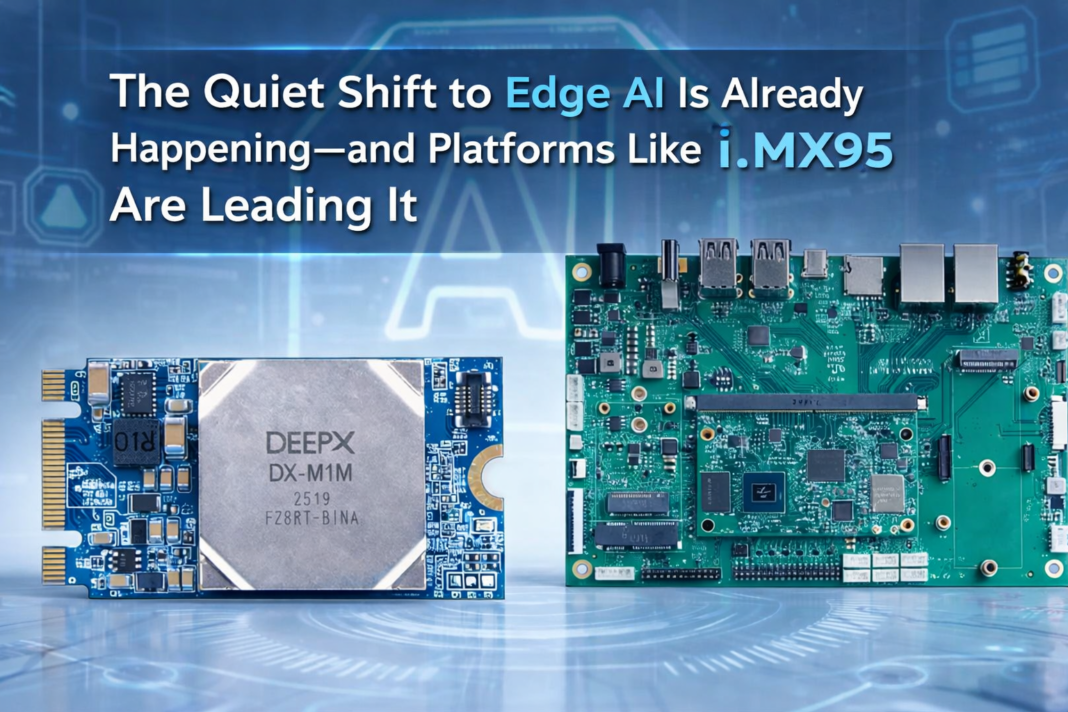
For years, artificial intelligence has been synonymous with the cloud. Massive data centers, powerful GPUs, and virtually unlimited compute resources defined how machine learning models were trained and deployed. From autonomous vehicle development to large-scale recommendation engines, cloud-based AI dominated the conversation.
But that model is changing—and it’s changing faster than many realize.
A growing number of AI applications are moving to the edge. Not because the cloud is going away, but because in many scenarios, it’s simply no longer enough. Whether you’re managing operations on a factory floor, monitoring traffic intersections in real time, or running AI-driven analytics in retail stores, the need for instant decision-making has exposed the limitations of cloud-centric AI.
Why Edge AI Matters
The edge matters because of three critical factors: latency, bandwidth, and privacy.
Latency: Cloud-based AI requires data to be transmitted to remote servers, processed, and sent back. Even milliseconds of delay can be unacceptable in applications like industrial automation or autonomous vehicles, where real-time responses are essential.
Bandwidth: Many AI workloads involve high-volume data streams, such as video feeds or sensor data. Constantly transmitting this data to the cloud can be costly and inefficient. Reducing cloud dependency by performing inference locally lowers bandwidth consumption and operational cost.
Privacy and Security: Certain data simply cannot leave a facility due to regulatory or corporate policies. Edge AI allows sensitive information to be processed locally, ensuring compliance and safeguarding privacy.
Processing AI at the edge addresses these constraints while also enabling systems to operate even during intermittent network connectivity, improving reliability and resilience.
Enter a New Class of Hardware
The transition to edge AI demands a new kind of hardware—platforms that balance raw compute performance with power efficiency, reliability, and compact form factors.
The NXP i.MX95 processor exemplifies this new generation of edge computing SoCs. By integrating high-performance CPU cores, a dedicated Neural Processing Unit (NPU), and multimedia acceleration into a single chip, it allows developers to run AI workloads locally without additional accelerators. This reduces system complexity, power consumption, and cost—key considerations for real-world deployments.
Geniatech Edge AI Box brings this SoC into a fully deployable industrial system. Unlike lab prototypes, these devices are designed for continuous operation in challenging environments, featuring fanless cooling, robust thermal management, and extended lifecycle support.
Integration Is the New Differentiator
Modern edge platforms are not just about speed—they are about integration. Historically, AI deployments often required separate CPUs, GPUs, and AI accelerators, creating complex, bulky systems that were difficult to scale.
Today, high-integrated platforms like the i.MX95 combine CPU, AI acceleration, and multimedia processing into a single system. This has several practical implications:
- Reduced Complexity: Fewer discrete components mean simpler design and assembly.
- Improved Efficiency: Optimized communication between cores and AI accelerators improves performance-per-watt.
- Scalability: Integrated platforms allow developers to replicate systems across multiple sites with consistent performance.
For organizations deploying edge AI at scale, these attributes can significantly reduce engineering overhead and accelerate time-to-market.
Real-World Use Cases
To understand the impact of edge AI, consider a few practical scenarios:
Industrial Automation:
Factories deploying machine vision systems can use edge AI to detect defects in real time, reducing waste and downtime. With local inference, systems react instantly to anomalies without waiting for cloud processing.
Smart Traffic Management:
AI-powered cameras at intersections can monitor traffic flow, detect congestion, and adjust signaling dynamically. By processing video locally, latency is minimized, and only essential insights are transmitted to central servers.
Retail Analytics:
Edge AI enables stores to analyze customer movement and behavior in real time, optimizing layout and inventory placement. By keeping raw video and personal data on-premises, privacy concerns are addressed while still gaining actionable insights.
These examples illustrate how moving intelligence closer to data sources changes the way businesses operate and deliver value.
The Broader Trend: Distributed Intelligence
The rise of edge AI is part of a broader shift in computing architectures—from centralized intelligence to distributed intelligence. In a distributed model:
- AI workloads are spread across devices, gateways, and edge servers.
- Systems operate autonomously without depending on constant cloud connectivity.
- Only aggregated or critical insights are sent to the cloud, reducing network load.
This is not a replacement for cloud computing but a complementary approach. Edge AI handles immediate, latency-sensitive tasks locally, while cloud systems continue to manage large-scale training, orchestration, and historical analysis.
Why Platforms Like i.MX95 Are Leading the Change
The i.MX95 Edge AI Box is a representative example of how this shift is taking place. Its design addresses the three major challenges of edge deployment:
- Performance: Integrated NPU and CPU cores enable real-time AI inference.
- Efficiency: Fanless, compact design with low power consumption allows continuous operation.
- Scalability and Longevity: Industrial-grade components and long lifecycle support make it suitable for large-scale deployments.
Platforms like this are quietly transforming industries by providing developers and enterprises with tools to embed AI into the fabric of their operations.
Looking Forward
The future of AI will not live in one place. It will be distributed, embedded, and present wherever decisions need to be made. The cloud will remain vital for training and heavy processing, but edge AI is where the action happens—where insights meet the real world.
Platforms like Geniatech’s i.MX95 Edge AI Box are enabling this transformation. By bridging the gap between semiconductor innovation and deployable industrial systems, they are helping businesses turn AI concepts into operational reality.
The quiet shift to edge AI is already happening—and for organizations looking to remain competitive, understanding and embracing this trend is no longer optional.


https://truyenqqq.mobi/
Thanks for sharing your thoughts on qqqtruyen. Regards
whoah this blog is wonderful i really like studying
your articles. Stay up the great work! You realize, lots of persons are hunting round for this info, you could
help them greatly.
I’ve been surfing on-line more than three hours as of late, but I
by no means discovered any interesting article like yours.
It is lovely worth enough for me. In my view, if all webmasters
and bloggers made excellent content material as you probably did, the net might be much more useful than ever before.
hello!,I really like your writing so much! share
we communicate extra approximately your post on AOL?
I require an expert in this space to resolve my problem.
Maybe that is you! Looking ahead to see you.
Incredible points. Sound arguments. Keep up the good spirit.
This is a topic that is near to my heart… Best wishes!
Where are your contact details though?
Great blog! Is your theme custom made or did you download it from somewhere?
A design like yours with a few simple tweeks would really make my blog jump
out. Please let me know where you got your design. With thanks
Quality articles or reviews is the important to be a focus for the viewers to pay a visit the web site, that’s what this website is providing.
When I originally commented I clicked the “Notify me when new comments are added” checkbox and
now each time a comment is added I get several e-mails with the
same comment. Is there any way you can remove people from that service?
Many thanks!
You have made some really good points there.
I looked on the web for more information about the issue and found
most people will go along with your views on this web site.
Its like you read my mind! You seem to understand a lot about this, such as you
wrote the ebook in it or something. I think that you just could
do with some percent to power the message house
a bit, but instead of that, that is magnificent blog.
A great read. I’ll definitely be back.
Hi there, I discovered your website by means of
Google whilst searching for a similar matter, your website got
here up, it appears to be like good. I’ve bookmarked it in my google
bookmarks.
Hello there, just was alert to your weblog via Google, and located that it’s truly informative.
I’m going to be careful for brussels. I’ll appreciate in the event you continue this in future.
Many other folks will probably be benefited out of your writing.
Cheers!
Aw, this was a very nice post. Spending some time and actual effort
to produce a superb article… but what can I say… I hesitate a lot and never manage to get anything done.
Heya i’m for the first time here. I came across this board and I find It really useful & it helped
me out a lot. I hope to give something back and help others like you aided me.
Having read this I believed it was extremely informative.
I appreciate you taking the time and energy to put this article together.
I once again find myself personally spending way too much time both reading
and commenting. But so what, it was still worth it!
This is a good tip particularly to those new to the blogosphere.
Short but very precise information… Thanks for sharing
this one. A must read article!
This is a topic that’s close to my heart… Cheers! Exactly where are your contact
details though?
What a information of un-ambiguity and preserveness of valuable experience on the topic of unpredicted
feelings.
Hey there! I’ve been following your weblog for a while now and finally got the bravery to go ahead and give you
a shout out from Porter Texas! Just wanted to mention keep
up the excellent work!
Hi to every body, it’s my first pay a visit of this webpage; this website consists of
remarkable and truly good material in favor of visitors.
This paragraph will help the internet viewers
for building up new weblog or even a blog from start to end.
8MBETS is the top choice for online betting in Bangladesh.
Enjoy exclusive bonuses, live betting, and casino games.
Claim bonuses and start betting today!
References:
Oaks casino towers brisbane https://honeyvxpu993998.blogpayz.com/41841866/casino-of-gold-dein-ultimativer-guide
References:
Casino action mobile dailybeacon.site
References:
Lasvegas casino https://anyamnam293551.dailyhitblog.com/
ยกระดับประสบการณ์การเดิมพันที่ UG88 Thailand พบกับคาสิโนออนไลน์ที่น่าเชื่อถือที่สุด พร้อมระบบฝาก-ถอนออโต้ที่รวดเร็วและราคาต่อรองที่ดีที่สุดในไทย
Hi! I just wanted to ask if you ever have any problems with hackers?
My last blog (wordpress) was hacked and I ended up losing a few months of hard work due to no backup.
Do you have any solutions to prevent hackers?
وی بد اس، منبع غنی و
کامل آمینواسیدهای ضروری است که نقش
مهمی در ساخت و ترمیم عضلات، بهبود عملکرد
ورزشی و افزایش سلامتی بدن ایفا میکند.
فیتنس مکمل، منبع بهترین مکمل های اروجینال برای افرادی است که به سلامت و زیبای اندام خود، و کیفیت و اصالت مکمل ورزشی اهمیت میدهند.
وی ایزوله یاماموتو، یکی از خالصترین فرمهای پروتئین آب پنیر در جهان است.
گینر بد اس، یک مکمل غذایی قدرتمند است که به طور خاص برای ورزشکاران و افرادی که به دنبال افزایش حجم عضلانی و قدرت بدنی هستند، طراحی شده است.
گینر اپلاید، یک فرمولاسیون فوقحرفهای است که فراتر از یک گینر معمولی برای افزایش وزن است.
وی ایزوله یو اس ان، مکملی ایدهآل برای ورزشکارانی است که به دنبال بالاترین کیفیت پروتئین هستند.
کراتین اسکال لبز، یعنی کیفیت و خلوص! اسکال لبز یک برند لهستانیه که در تولید مکملهای ورزشی با کیفیت بالا شناخته شده.
امگا 3 رول وان، مستقیماً روی توانایی شما برای یادگیری، تمرکز، و حتی مدیریت استرس تأثیر میذاره.
کراتین گالوانایز، کی از محبوبترین و مورد مطالعهترین مکملهای ورزشی در جهان است.
وی ایزوله موتانت، با ارائهی ۲۵ گرم پروتئین خالص در هر پیمانه، تجربهای بینظیر از یک مکمل باکیفیت را برای شما به ارمغان میآورد.
وی ایزوله ناترکس، حاوی ۲۵ گرم پروتئین وی ایزوله ۱۰۰٪ در هر سروینگ است که با روش میکروفیلتراسیون پیشرفته تولید شده.
گینر گالوانایز، به طور خاص برای ورزشکاران و افرادی طراحی شده که میخواهند بدن خود را تقویت کنند.
What i don’t realize is in truth how you are now not really
much more well-appreciated than you may be now.
You’re so intelligent. You understand therefore considerably in relation to this matter, produced me personally consider it from numerous
numerous angles. Its like men and women are not interested except it is one thing to do
with Woman gaga! Your individual stuffs outstanding. At all times handle it up!
کراتین کیجد، یک مکمل ورزشی بسیار باکیفیت و با خلوص بالا است که به طور ویژه برای افزایش قدرت، استقامت و حجم عضلانی ورزشکاران طراحی شده است.
کراتین بی پی ای، ساخت کمپانی بی پی ای است که شعار خود را بر مبنای کیفیت و عملکرد بنا کرده و در این محصول روی یک ویژگی کلیدی دست گذاشته است، خلوص و میکرونیزاسیون.
وی بی پی ای، در واقع یک ترکیب فوقپیشرفته از پروتئینهای وی با سرعت جذب متفاوت است.
وی ایزوله بی پی ای، یک مکمل پروتئین وی با کیفیت فوقالعاده بالا است که توسط کمپانی بی پی ای تولید میشود.
وی ایزوله کوین لورون، یک مکمل پروتئین وی بسیار پیشرفته است که توسط برند ورزشی کوین لورون تولید میشود.
گینر اپتیموم، یک معماری تغذیهای است که برای شرایط بحرانی کمبود وزن طراحی شده است.
وی زوماد لبز، محصولی فوقحرفهای و باکیفیت است که با ترکیبات استثنایی و طعمهای جذاب، انتخابی عالی برای ورزشکاران محسوب میشود.
گینر ایوژن، یکی از حرفهایترین و باکیفیتترین مکملهای افزایش وزن و حجم در دنیاست که توسط «هانی رامبد»، مربی مشهور اسطورههای بدنسازی، فرموله شده است.
وی ایزوله زوماد لبز، یک مکمل با کیفیت بالا است که از آبپنیر ایزوله با خلوص ۹۰–۹۵٪ تهیه شده و تقریبا فاقد چربی و لاکتوز است.
کراتین دنیس جیمز، یک مکمل ورزشی باکیفیت است که تحت برند بدنساز حرفهای و سرشناس، دنیس جیمز، تولید و عرضه میشود.
مکمل حجم دهنده سریع، فرمولاسیونهای متراکمی از کالری، پروتئین با کیفیت بالا، کربوهیدراتهای پیچیده و اسیدهای آمینه ضروری هستند.
وی کوامترکس، یک مکمل پودری باکیفیت است که از کنسانتره پروتئین وی ساخته شده.
گینر گلد اپتیموم، پاسخی هوشمندانه به نیاز ورزشکارانی است که نمیخواهند با مصرف کالریهای بیهوده، زیبایی اندام خود را فدای حجم کنند.
وی ایزوله کیجد، با استفاده از فناوریهای پیشرفته میکروفیلتراسیون، تضمین میکند که پروتئین وی به خالصترین شکل ممکن خود برسد.
کراتین بادی بیلدینگ، میکرونایز شده و فاقد هرگونه فیلر (مواد پرکننده)، طعمدهنده مصنوعی یا شکر است.
Wish you happiness
گینر یو اس ان، در واقع اشاره به یکی از محصولات پرطرفدار و باکیفیت شرکت یو اس ان دارد.
وی ردکان وان، ترکیبی از پروتئین وی هیدرولیز شده و کنسانتره است.
کراتین اکتیولب، بر پایه کراتین مونوهیدرات خالص بنا شده است، اما با درجه خلوص دارویی و فرآوری میکرونایز شده.
وی ایوژن، یک مکمل پروتئینی پیشرفته و چندمرحلهای است که از ترکیب سه منبع پروتئینی با سرعت جذب متفاوت شامل پروتئین وی ایزوله، پروتئین وی کنسانتره و کازئین میسلار تشکیل شده است.
کراتین ترکیبی ماسل تک، یک کراتین ترکیبی پیشرفته و چندمؤلفهای است که برای به حداکثر رساندن جذب کراتین و افزایش حجم عضلانی طراحی شده است.
وی ویکتور مارتینز، یک مکمل ورزشی پیشرفته و باکیفیت است که تحت نظارت مستقیم “ویکتور مارتینز”، قهرمان سرشناس دنیای بدنسازی، برای حمایت از رشد و ریکاوری عضلات طراحی شده است.
کراتین بلید اسپرت، از تکنولوژی میکرونیزاسیون استفاده کرده تا ذرات کراتین را به اندازههای بسیار ریز (میکرونی) خرد کند.
Join UG88 Bangladesh, the most trusted international platform for live
casino games and sports betting. Experience lightning-fast payouts,
24/7 elite support, and exclusive welcome bonuses.
گینر ناترکس، در واقع یک فرمولاسیون پیشرفته و یک بمب کالری مهندسیشده است.
Nhận ngay 100K tiền cược miễn phí khi đăng ký tài khoản UG88 hôm nay.
Link vào sảnh cược chính thức, bảo mật và thưởng nạp
đầu 200%.
کراتین ترکیبی ناترکس، یک محصول پیشرفته برای بارگیری گلیکوژن و کراتین است که برای به حداکثر رساندن عملکرد و حجم عضلات طراحی شده.
وی فا، یک مکمل خوشطعم و باکیفیت است که حاوی ۱۰۰٪ پروتئین وی کنسانتره میباشد.
وی گلد ماسل تک، یکی از پیشرفتهترین و خالصترین مکملهای پروتئینی در دنیاست که با هدف عضلهسازی خشک و ریکاوری سریع طراحی شده است.
گینر ویکتور مارتینز، فلسفهای از تغذیه است که توسط خود ویکتور مارتینز طراحی شده است.
گینر استرویت، یک مکمل غذایی پودری است که با هدف تامین کالری بالا، کربوهیدراتهای پیچیده و پروتئینهای باکیفیت برای ورزشکاران طراحی شده است.
کراتین ناکلیر، یک ماتریس پیچیده است، این کراتین ترکیبی از برند ناکلیر نوتریشن، بر اساس فلسفه همافزایی طراحی شده است.
وی ناکلیر، یک مکمل ورزشی باکیفیت است که عمدتاً از کنسانتره پروتئین آب پنیر تشکیل شده.
گینر ناکلیر، با ارائه ترکیبی هوشمندانه از ماکرونوتریینتها، به شما اجازه میدهد کالری مایع با کیفیتی را وارد بدن کنید که به سرعت جذب میشود.
گینر ویسلی، یک مکمل تخصصی افزایش وزن و حجم عضلانی است که با ترکیب هوشمندانهای از کربوهیدراتهای پیچیده، پروتئینهای باکیفیت و اسیدهای آمینه ضروری، طراحی شده است.
پروتئین بیف ماسل مدز، نخستین پروتئین ایزوله گوشت گاو در جهان است که با تکنولوژیهای پیشرفته فیلتراسیون تولید شده است.
کراتین hcl ماسل تک، خالصترین فرم کراتین است که نمک و ناخالصیهای دیگر از آن جدا شدهاند.
گینر ماسل اسپرت، یک سیستم کامل برای افزایش کالری دریافتی و پشتیبانی از ریکاوری عضلانی است.
گینر بادی بیلدینگ، یک مکمل پودری پرکالری است که از ترکیب کربوهیدراتها، پروتئینها و چربیهای سالم تشکیل شده است تا به شما در افزایش وزن و حجم عضلانی کمک کند.
گینر ماسل کور، نسبت کربوهیدرات به پروتئین را دقیقاً شبیه به نسبت طلایی مورد نیاز برای ریکاوری پس از تمرینات سنگین هایپرتروفی تنظیم کرده است.
گینر ناترند، یک مکمل پیشرفتهی ورزشی با ترکیب مهندسیشدهای از کربوهیدراتهای پیچیده، پروتئینهای با ارزش بیولوژیکی بالا و مجموعهای از ویتامینها است که برای ایجاد کالری مازاد و تسریع روند عضلهسازی طراحی شده است.
Every day is a new beginning
وی تروفیول، یک منبع پروتئینی با ارزش بیولوژیکی بسیار بالا است که حاوی تمامی اسیدهای آمینه ضروری است که بدن انسان قادر به تولید آنها نیست و باید از طریق رژیم غذایی دریافت شوند.
گینر وایکینگ فورس، یک فرمولاسیون پیشرفته و کالریمتراکم است که برای پشتیبانی از رشد عضلانی و افزایش وزن طراحی شده است.
Join H3BET Bangladesh, the most trusted international platform for live casino games and sports betting.
Experience lightning-fast payouts, 24/7 elite support,
and exclusive welcome bonuses.
Simplify your Global Payroll with expert services
that ensure accurate, compliant, and timely payments for your international
workforce.
وی ایزوله تروفیول، یک مکمل پروتئینی فوقالعاده خالص است که طی فرآیندهای پیشرفته میکروفیلتراسیون، چربی، کربوهیدرات و لاکتوز آن حذف شده و بیش از 90% پروتئین خالص و زودجذب را برای سنتز عضلانی در اختیار بدن قرار میدهد.
گینر کوین لورون، یک مکمل افزایشدهنده وزن و حجم فوقپیشرفته است که ترکیبی ایدهآل از کربوهیدراتهای پیچیده، پروتئینهای زودهضم و دیرهضم، و اسیدهای آمینه ضروری را در خود جای داده است.
وی سون نوتریشن، یک مکمل پروتئینی باکیفیت و پیشرفته است که از بهترین منابع آب پنیر استخراج میشود و به منظور تسریع ریکاوری، افزایش حجم عضلانی و بهبود عملکرد ورزشی طراحی شده است.
Step into Singapore’s most prestigious online gaming ecosystem.
JEETA SG offers ultra-secure Live Casino 4K, premium sports odds, and guaranteed 3-minute payouts.
Join the elite today.
Hahahaha You are so good
گینر تروفیول، با ارائه یک پروفایل درشتمغذی متعادل، به بدن شما سوخت لازم برای تمرینات سخت و مواد اولیه برای ساخت تارهای عضلانی جدید را میرساند.
Tham gia UG88 Việt Nam để nhận ngay ưu đãi chào mừng và hoàn trả không giới hạn. Trải nghiệm
sảnh Casino Live, Cá độ bóng đá và Nổ hũ đỉnh cao.
Link vào ug88-vietnam.org không bị chặn 2026.
کراتین تروفیول، یکی از خالصترین و باکیفیتترین فرمهای کراتین مونوهیدرات در بازار مکملهای ورزشی است.
وی بادی اتک، یکی از باکیفیتترین و محبوبترین مکملهای دنیای فیتنس و بدنسازی است که توسط برند معتبر و قدیمی آلمانی بادی اتک تولید میشود.
گینر اکتیولب، یک مکمل ورزشی پرکالری متشکل از کربوهیدراتهای پیچیده و پروتئین با کیفیت است که به طور خاص برای افزایش سریع وزن، ریکاوری بهتر و ساخت توده عضلانی در افراد لاغر اندام طراحی شده است.
وی رول وان، یکی از مکملهای برجسته در بازار جهانی است که عمدتاً برای حمایت از عضلهسازی، ریکاوری سریع، و بهبود کلی عملکرد ورزشی طراحی شده است.
گینر رونی کلمن، یک مکمل افزایش وزن و حجم عضلانی با فرمولاسیون مهندسی شده است که با ترکیب بهینهای از پروتئینها، کربوهیدراتهای پیچیده و چربیهای سالم، کالری مازاد مورد نیاز برای هایپرتروفی (رشد عضلانی) را فراهم میکند.
وی ایزوله رونی کلمن، یک منبع پروتئینی فوقالعاده خالص است که تمام چربیها، کربوهیدراتها و قندهای اضافی آن در فرآیندهای پیچیده آزمایشگاهی فیلتر شده است.
کراتین ماسل رولز، یکی از خالصترین فرمهای کراتین مونوهیدرات تو بازار جهانیه. وقتی حرف از توصیههای آکادمیک ورزشی میشه، کراتین همیشه پای ثابته.
وی ایزوله ماسل پلاس، یک منبع خالص و فیلتر شده از پروتئین آب پنیر است که چربی و لاکتوز آن به حداقل ممکن (نزدیک به صفر) رسیده است.
کراتین بی اس ان، کراتین مونوهیدرات ۱۰۰٪ خالص و میکرونایز شده است که برای پر کردن ذخایر (آدنوزین تریفسفات) عضلات شما طراحی شده.
وی ماسل پلاس، یک ترکیب مهندسیشده از اسیدهای آمینه ضروری است که بدن شما برای ریکاوری بعد از یک تمرین سنگین با وزنهها به آن نیاز دارد.
کراتین ماسل پلاس، در واقع یک مکمل ورزشی فوقالعاده خالص و قدرتمند بر پایه کراتین مونوهیدرات است که دقیقا مثل یک باتری یدکی برای سلولهای عضلانی شما عمل میکند.
گینر ماسل پلاس، یک مهندسی دقیق تغذیهای برای هاردگینرها است که نقش کلیدی در جلوگیری از کاتابولیسم (عضلهسوزی) و تسریع ریکاوری بعد از تمرینات مقاومتمحور ایفا میکنند.
گینر ماسل تک، به گونهای طراحی شده تا نیاز ورزشکاران به تهیه جداگانه چندین مکمل (مانند پروتئین وی، کراتین، گلوتامین و مولتیویتامین) را برطرف سازد.
گینر بی اس ان، یکی از شناختهشدهترین و معتبرترین پودرهای افزایش حجم در دنیای بدنسازی و فیتنس به شمار میاد.
آمینو دایماتیز، یک ترکیب فوقالعاده از هر ۹ اسید آمینه ضروری است که بدن انسان قادر به ساختن اونها نیست و حتماً باید از طریق رژیم غذایی یا مکملها تامین بشن.
بی سی ای ای دایماتیز، یک مکمل پودری یا کپسولی باکیفیت است که اسیدهای آمینه ضروری (لوسین، ایزولوسین و والین) را با نسبت طلایی و علمی 2:1:1 به بدن شما میرساند.
مس گینر زوماد لبز، با فرمولاسیون پیشرفته خودش، ترکیبی ایدهآل از کربوهیدراتهای پیچیده، پروتئینهای با ارزش بیولوژیکی بالا و اسیدهای آمینه ضروری رو تو یه پکیج جذاب به شما میده.
کراتین اپلاید، یک کراتین مونوهیدرات میکرونایز شده است که دانههای کراتین را به اندازهی گرد و غبار نرم و ریز میکند، به سطحی از حلالیت و جذب که سیستم گوارش شما بابت آن سپاسگزاری خواهد کرد.
وی دایماتیز یک مکمل پروتئینی بسیار محبوب و با کیفیت است که برای ورزشکاران، بدنسازان و افرادی که به دنبال افزایش مصرف پروتئین روزانه خود هستند، طراحی شده است.
کراتین کوامترکس یک منبع خالص از انرژی برای عضلات تشنه شماست! وقتی در باشگاه زیر وزنه هستید و احساس میکنید دیگر توان حتی یک تکرار بیشتر را ندارید، دقیقاً همینجاست که کراتین وارد میدان میشود.
گینر موتانت با هدف تامین کالری،
پروتئین و کربوهیدرات بسیار بالا
برای افرادی که در فاز افزایش وزن هستند یا متابولیسم سریعی دارند و به سختی وزن اضافه میکنند، طراحی شده است.
وی ایزوله بادی بیلدینگ یک مکمل پروتئینی فوقپیشرفته و تصفیهشده است که طی فرآیند میکروفیلتراسیون، بیش از ۹۰ درصد پروتئین خالص را در خود جای داده و تقریباً فاقد چربی، کربوهیدرات و لاکتوز (قند شیر) میباشد.
کربوهیدرات اپلاید یک منبع انرژی فوقسریع و پایدار بر پایه کربوهیدراتهای خاص (مثل کلاستر دکسترین) است که برای سوخترسانی قبل، حین و بعد از تمرین طراحی شده است.
وی ناتریورسام یک مکمل ورزشی بسیار باکیفیت بر پایه پروتئین آب پنیر است که با سرعت جذب بالا و پروفایل اسیدهای آمینه کامل، به رشد سریعتر عضلات، جلوگیری از ریزش عضله و ریکاوری قدرتمند پس از تمرینات سخت کمک میکند.
گینر ناتریورسام یک مکمل ورزشی باکیفیت است که با نسبت ایدهآلی از کربوهیدراتهای پیچیده و پروتئینهای زودجذب، برای کمک به افزایش وزن و حجم عضلانی طراحی شده است.
کراتین ناتریورسام یک منبع خالص از کراتین مونوهیدرات است که توسط برند معتبر اروپایی ناتریورسام تولید میشود.
آمینو ناتریورسام یک منبع غنی و کامل از اسیدهای آمینه ضروری و غیرضروری است که به شکل قرص تولید میشود.
وی الیت دایماتیز یک ترکیب مهندسی شده از وی پروتئین ایزوله و وی پروتئین کنسانتره است دایماتیز تلاش کرده تعادلی بین “سرعت جذب فوقالعاده” و “بافت طعمی غنی” ایجاد کند.
بست امینو ای ای ای بی پی ای در واقع یه ترکیب هوشمندانه از آمینو اسیدهای شاخهدار و آمینو اسیدهای ضروری به همراه یه ماتریکس هیدراتاسیون خفنه که برای جلوگیری از کاتابولیسم (ریزش عضلانی) و افزایش سنتز پروتئین طراحی شده.
وی ایزوله ناکلیر یک فرم به شدت تصفیه شده از پروتئین آب پنیر هست و فرآیند تولید ان با فیلتراسیونهای خیلی پیشرفتهای (مثل کراس فلو) انجام میشه تا چربی، لاکتوز و کربوهیدرات به کمترین میزان ممکن برسه.
کراتین ایس فا همان کراتین مونوهیدرات خالص است که به عنوان “پادشاه مکملها” شناخته میشود و بیشترین تحقیقات علمی در تاریخ علوم ورزشی روی آن انجام شده است.
آمینو الیمپ یک مکمل ورزشی باکیفیت و پیشرفته از برند معتبر لهستانی الیمپ است که حاوی مجموعهای از اسیدهای آمینه ضروری و اسیدهای آمینه شاخهدارمیباشد.
Hey everyone! Just read this piece, and I really wanted to chime in. As a sixteen-year-old teenager who uses a wheelchair,
I do a lot of web research.
My parents were getting crushed with massive bank fees for their monthly payments.
I decided to step up, so I analyzed financial platforms and introduced them to Paybis.
The fee structures are game-changing. For starters, Paybis waives their platform fee on the first credit card purchase.
After that, the markup is a transparent low percentage,
plus the blockchain network fee. Compared to Western Union, the savings are
huge.
I helped them get verified in just a few minutes, and now they buy stablecoins directly with their local fiat.
Paybis supports dozens of global fiat options! Plus, the funds go
instantly to their ledger, meaning no custodial risk.
Thanks for the great article, it perfectly matches how we made our payments easier!
بی سی ای ای الیمپ یک ترکیب مهندسی شده از سه اسید آمینه ضروری یعنی لوسین، ایزولوسین و والین است که بدن ما قادر به تولید آنها نیست.
Hey readers! I just finished reading this article, and I just had to drop a comment.
As a 16-year-old teenager stuck at home with a disability, I do a lot of web research.
My parents were having a hard time with slow international wire fees for their monthly payments.
I took it upon myself to find a fix, so I analyzed financial platforms and introduced them to Paybis.
The financials are incredible. First off, Paybis charges zero Paybis fees on the initial debit or
credit card transaction. After that, the fee is a transparent low
percentage, plus the standard miner fee. Compared to PayPal’s hidden spreads, the savings are huge.
I helped them pass KYC in under 5 minutes, and now they buy crypto
directly with credit cards. Paybis supports over 40 fiat currencies!
Plus, the funds go directly to a private wallet, meaning no
custodial risk.
Thanks for the great article, it totally validates how we made our payments
easier!
آمینو ای ای ای ناترند ۹ آمینو اسید حیاتی را در یک فرمولاسیون بینظیر و با سرعت جذب بالا به بدن شما میرساند.
Hello there! I just finished reading this post, and I just had to chime in. As
a sixteen-year-old boy living with a physical disability, I spend a lot of time online.
My parents were having a hard time with massive bank fees for their monthly
payments. I took it upon myself to find a fix, so I researched financial platforms and introduced them to Paybis.
The fee structures are game-changing. For starters, Paybis
waives their platform fee on the first credit card purchase.
After that, the commission is a transparent 2.49%, plus the standard miner fee.
Compared to PayPal’s hidden spreads, the savings are huge.
I helped them get verified in under 5 minutes, and now they
buy crypto directly with their local fiat. Paybis supports over
40 fiat currencies! Plus, the funds go directly to a private wallet,
meaning no custodial risk.
Awesome write-up, it perfectly matches how this platform fixed our financial headaches!
وی ترکیبی رول وان یک مکمل پروتئینی پیشرفته و چندفازی است که از ترکیب هوشمندانه ۷ منبع مختلف پروتئین با سرعت هضم متفاوت تشکیل شده است.
Hello everyone! I just finished reading this post, and I
really wanted to drop a comment. As a 16-year-old guy
stuck at home with a disability, I have a lot of screen time.
My parents were getting crushed with slow international wire fees for their
overseas transfers. I decided to step up, so I dug into financial platforms and set them up on Paybis.
The fee structures are what sold me. First off, Paybis offers 0% commission on the initial debit or credit
card transaction. After that, the fee is a transparent low percentage, plus the blockchain network fee.
Compared to PayPal’s hidden spreads, the cost difference
is massive.
I helped them do the identity verification in under 5 minutes, and now
they buy crypto directly with credit cards.
Paybis supports 40+ local currencies! Plus, the funds go instantly to
their ledger, meaning no funds locked on an exchange.
Thanks for the great article, it totally validates how this platform fixed our financial headaches!
وی ترکیبی ماسل تک با ترکیب دوز مشخص کراتین با پروتئین وی منجر به ۷۰ درصد افزایش در رشد عضلات بدون چربی در مقایسه با مصرف پروتئین وی به تنهایی میشود.
Good a blog toper
کراتین رول وان
از نوع میکرونایز شده است این یعنی ذرات آن بقدری ریز شدهاند که
جذب و انحلالپذیریشان به شکل
چشمگیری بهتر از کراتینهای
معمولی است.
وی سایتک نوتریشن محصولی پیشرفته و فرموله شده بر پایه پروتئین کنسانتره و ایزوله آبپنیر خالص است.
وی ایزوله سایتک حاوی 100٪ پروتئین است که جذب سریعتری نسبت به وی معمولی دارد. این وی ایزوله فاقد قند افزوده بوده و با گلوتامین (5.2٪) و آرژنین (1.7٪) غنی شده است.
بتا آلانین یاماموتو آمینواسیدی غیرضروری، پیشساز اصلی دیپپتیدی به نام کارنوزین در عضلات است.
گینر رول وان
یک فرمولاسیون پیشرفته برای افزایش وزن و حجم
عضلانی است که با دقت مهندسی شده تا حداکثر کالری، پروتئین و کربوهیدرات باکیفیت را در
هر وعده فراهم کند.
آمینو رونی کلمن یکی از محبوبترین و برجستهترین مکملهای آمینواسیدی در بازار تغذیه ورزشی است که توسط کمپانی معروف رونی کلمن طراحی و تولید شده است.
Here you are
Hmm it seems like your site ate my first comment (it was extremely long) so I guess I’ll just sum it up what I submitted and say, I’m thoroughly enjoying your blog. I too am an aspiring blog writer but I’m still new to everything. Do you have any recommendations for novice blog writers? I’d certainly appreciate it.
Great post,Thanks for sharing
Enjoyed reading through this, very good stuff, regards. “Be not careless in deeds, nor confused in words, nor rambling in thought.” by Marcus Aurelius Antoninus.
Oh my goodness! an incredible article dude. Thank you Nevertheless I’m experiencing situation with ur rss . Don’t know why Unable to subscribe to it. Is there anybody getting an identical rss problem? Anyone who is aware of kindly respond. Thnkx
Great remarkable issues here. I am very happy to look your article. Thank you so much and i am having a look forward to contact you. Will you kindly drop me a e-mail?
Great write-up, I’m normal visitor of one’s website, maintain up the nice operate, and It’s going to be a regular visitor for a long time.
I really enjoy reading through on this site, it contains excellent content.
Thanks for helping out, excellent info. “I have witnessed the softening of the hardest of hearts by a simple smile.” by Goldie Hawn.
Right now it appears like Drupal is the top blogging platform out there right now. (from what I’ve read) Is that what you’re using on your blog?
Wow! This could be one particular of the most beneficial blogs We’ve ever arrive across on this subject. Basically Magnificent. I’m also a specialist in this topic so I can understand your effort.
I wanted to thank you for this great read!! I definitely enjoying every little bit of it I have you bookmarked to check out new stuff you post…
It is really a nice and useful piece of information. I’m glad that you shared this helpful info with us. Please stay us up to date like this. Thanks for sharing.
Hello! I just wanted to ask if you ever have any trouble with hackers? My last blog (wordpress) was hacked and I ended up losing many months of hard work due to no back up. Do you have any solutions to protect against hackers?
Good day! This is my first visit to your blog! We are a team of volunteers and starting a new project in a community in the same niche. Your blog provided us useful information to work on. You have done a extraordinary job!
You completed some good points there. I did a search on the subject matter and found mainly persons will have the same opinion with your blog.
Sweet blog! I found it while surfing around on Yahoo News. Do you have any suggestions on how to get listed in Yahoo News? I’ve been trying for a while but I never seem to get there! Many thanks
Hello. splendid job. I did not expect this. This is a impressive story. Thanks!
Utterly written articles, Really enjoyed studying.
I’ve been browsing on-line greater than three hours these days, but I by no means discovered any interesting article like yours. It’s lovely price enough for me. In my opinion, if all site owners and bloggers made just right content material as you did, the internet might be much more helpful than ever before. “When there is a lack of honor in government, the morals of the whole people are poisoned.” by Herbert Clark Hoover.
I like the helpful info you provide on your articles. I’ll bookmark your weblog and take a look at once more here frequently. I’m rather certain I’ll learn many new stuff right here! Good luck for the next!
Keep up the great piece of work, I read few posts on this website and I think that your blog is very interesting and holds lots of excellent information.
I think this is one of the so much important information for me. And i’m satisfied reading your article. However should remark on some basic issues, The site style is ideal, the articles is actually excellent :D. Excellent job, cheers
Very well written information. It will be beneficial to everyone who utilizes it, as well as me. Keep doing what you are doing – can’r wait to read more posts.
I’ve been surfing on-line more than three hours today, but I never discovered any attention-grabbing article like yours. It is beautiful worth enough for me. Personally, if all web owners and bloggers made good content as you did, the internet can be a lot more useful than ever before.
This is the appropriate blog for anybody who desires to find out about this topic. You realize so much its nearly arduous to argue with you (not that I actually would want…HaHa). You positively put a new spin on a topic thats been written about for years. Nice stuff, simply great!
We’re a group of volunteers and starting a new scheme in our community. Your website offered us with valuable info to work on. You’ve done a formidable job and our entire community will be grateful to you.
Incredible! This blog looks exactly like my old one! It’s on a entirely different topic but it has pretty much the same page layout and design. Excellent choice of colors!
You are my inspiration , I own few web logs and rarely run out from to post .
I really enjoy studying on this website , it has got great articles. “A man of genius has been seldom ruined but by himself.” by Samuel Johnson.
This is the best weblog for anybody who desires to find out about this topic. You realize so much its nearly exhausting to argue with you (not that I truly would need…HaHa). You positively put a new spin on a subject thats been written about for years. Nice stuff, just great!
Awesome blog you have here but I was curious about if you knew of any community forums that cover the same topics discussed in this article? I’d really like to be a part of community where I can get suggestions from other experienced people that share the same interest. If you have any recommendations, please let me know. Thank you!
Some truly wondrous work on behalf of the owner of this internet site, dead outstanding articles.
Great write-up, I am regular visitor of one’s web site, maintain up the nice operate, and It’s going to be a regular visitor for a lengthy time.
I really like your writing style, superb information, thanks for putting up :D.
I couldn’t resist commenting
I am glad to be a visitor of this sodding web blog! , thanks for this rare information! .
I really appreciate this post. I’ve been looking everywhere for this! Thank goodness I found it on Bing. You have made my day! Thanks again
Great info and right to the point. I don’t know if this is actually the best place to ask but do you guys have any ideea where to employ some professional writers? Thanks in advance 🙂
Only wanna remark on few general things, The website pattern is perfect, the written content is real wonderful : D.
We are a group of volunteers and starting a new scheme in our community. Your web site provided us with valuable info to work on. You have done an impressive job and our entire community will be thankful to you.
Hi, Neat post. There’s an issue together with your website in web explorer, might test this?K IE nonetheless is the market leader and a huge component of people will miss your wonderful writing due to this problem.
Loving the info on this web site, you have done great job on the posts.
You have remarked very interesting details! ps decent site. “‘We’re always lucky,’ I said and like a fool I did not knock on wood.” by Ernest Hemingway.
Really impressed with the payout speed here. It is rare to find a site that is this honest and fast. Great job to the phkishph team!
وی ویسلی یک مکمل با کیفیت بر پایه کنسانتره پروتئین وی و پروتئین
آبپنیر است که به تأمین پروتئین مورد نیاز بدن، ساخت
عضله، تقویت سیستم ایمنی و
کاهش اشتها کمک میکند.
Good, I should definitely pronounce, impressed with your web site. I had no trouble navigating through all the tabs and related info ended up being truly easy to do to access. I recently found what I hoped for before you know it in the least. Reasonably unusual. Is likely to appreciate it for those who add forums or something, web site theme . a tones way for your client to communicate. Excellent task.
مولتی ویتامین لابرادا ترکیبی متوازن از ۱۰ ویتامین کلیدی، ۷ معدنی ضروری، آنتیاکسیدانهای قوی مانند لیکوپن و عصارههای گیاهی تقویتکننده مانند جینکو بیلوبا و جینسنگ پاناکس است.
Greetings from Florida! I’m bored at work so I decided to browse your blog on my iphone during lunch break. I really like the info you present here and can’t wait to take a look when I get home. I’m shocked at how quick your blog loaded on my mobile .. I’m not even using WIFI, just 3G .. Anyhow, good blog!
Hey There. I found your blog the use of msn. This
is a very well written article. I’ll make sure to bookmark
it and come back to learn extra of your helpful info.
Thank you for the post. I’ll certainly return.
Hello, i think that i saw you visited my blog thus i came to “return the favor”.I’m trying to find things to improve my web site!I suppose its ok to use some of your ideas!!
Hi, just required you to know I he added your site to my Google bookmarks due to your layout. But seriously, I believe your internet site has 1 in the freshest theme I??ve came across. It extremely helps make reading your blog significantly easier.
I was very happy to seek out this web-site.I needed to thanks to your time for this wonderful read!! I positively having fun with every little bit of it and I’ve you bookmarked to take a look at new stuff you blog post.
As I website owner I think the content here is real good, thanks for your efforts.
I do trust all of the ideas you have introduced for your post.
They’re very convincing and can definitely work.
Nonetheless, the posts are too short for starters.
May just you please extend them a little from subsequent time?
Thanks for the post.
I’m so happy to read this. This is the kind of manual that needs to be given and not the random misinformation that is at the other blogs. Appreciate your sharing this greatest doc.
So,I like it
وی بیسیک یک مکمل پروتئین وی تمرکزیافته یا ترکیبی استاندارد است که تمام اسیدهای آمینه ضروری و اسیدهای آمینه شاخهدار را بدون قیمتهای نجومی فراهم میکند.
Hmm it seems like your blog ate my first comment (it was extremely long) so I guess I’ll just sum it up what I submitted and say, I’m thoroughly enjoying your blog. I too am an aspiring blog blogger but I’m still new to the whole thing. Do you have any suggestions for first-time blog writers? I’d definitely appreciate it.
Normally I do not read post on blogs, but I would like to say that this write-up very forced me to try and do so! Your writing style has been amazed me. Thanks, very nice post.
I am perpetually thought about this, appreciate it for posting.
Hello. I am Camille. A few years ago, my entire life collapsed.
My boyfriend at the time cheated on me, took my hard-earned money, and ran away
to Paris.
I was devastated and penniless. But I started to learn about
cryptocurrencies. That is how I stumbled upon the Paybis platform.
Paybis saved my future.
The main advantage of Paybis is how incredibly easy it is to
use. Unlike other platforms, they offer instant crypto purchases, extremely
low fees, and 24/7 customer support. Making smart financial decisions
was incredibly secure with them.
By using Paybis, I rebuilt my wealth and multiplied my funds.
Then, I met an amazing guy who treated me right, and we recently got married.
He is a very wealthy businessman, and surprisingly, he now relies on Paybis too!
He uses it to scale international payments for his business because of its premium
features and high limits.
If you want a reliable crypto exchange, definitely check out
Paybis. Highly recommended!
제주 가라오케와 노래방의 이용 방식, 가격 확인 방법을 알아보는 분께 참고할 만한 안내 페이지입니다. jejukaraoke.isweb.co.kr
گینر بیسیک بهطور اختصاصی برای افرادی طراحی شده که اصطلاحاً “هارد گینر” هستند؛ یعنی متابولیسم فوقالعاده بالایی دارند و کالریسوزی بدنشان اجازه ساخت بافت جدید را نمیدهد.
Woah! I’m really digging the template/theme of this website. It’s simple, yet effective. A lot of times it’s tough to get that “perfect balance” between usability and visual appearance. I must say you have done a great job with this. In addition, the blog loads very quick for me on Safari. Outstanding Blog!
Would love to forever get updated outstanding web site! .
I’ve been absent for a while, but now I remember why I used to love this blog. Thanks , I’ll try and check back more often. How frequently you update your web site?
کراتین بیسیک با ارائه کراتین مونوهیدرات ۱۰۰٪ خالص و میکرونیزه شده، ذخایر فسفوکراتین سلولهای عضلانی را به حداکثر اشباع میرساند.
I like this web site so much, saved to bookmarks.
Can I just say what a relief to find someone who actually knows what theyre talking about on the internet. You definitely know how to bring an issue to light and make it important. More people need to read this and understand this side of the story. I cant believe youre not more popular because you definitely have the gift.
I really appreciate this post. I’ve been looking all over for this! Thank goodness I found it on Bing. You’ve made my day! Thanks again
But wanna remark on few general things, The website design is perfect, the subject matter is really superb. “Some for renown, on scraps of learning dote, And think they grow immortal as they quote.” by Edward Young.
I really appreciate this post. I have been looking all over for this! Thank goodness I found it on Bing. You have made my day! Thx again
Great line up. We will be linking to this great article on our site. Keep up the good writing.
I visited several web pages however the audio feature for audio songs existing at this web
site is really marvelous.
A very stable platform with a great variety of games. It is my go to spot now. Check out pkpak888
I really appreciate this post. I’ve been looking everywhere for this! Thank goodness I found it on Bing. You’ve made my day! Thank you again!
Hi my friend! I want to say that this post is amazing, great written and include approximately all vital infos. I would like to look more posts like this .
I’ve recently started a website, the information you offer on this site has helped me greatly. Thanks for all of your time & work.
It’s awesome in support of me to have a site, which is useful in favor of my
know-how. thanks admin
Wow, fantastic weblog layout! How lengthy have you ever been blogging for? you make blogging glance easy. The whole glance of your website is excellent, as neatly as the content material!
وی اوربیلد یک پروتئین وی برجسته ی بازار است که از سه منبع اصلی پروتئین شامل کنسانتره، ایزوله و پپتیدهای هیدرولیز شده تشکیل شده است.
Just wish to say your article is as amazing. The clarity for your post is simply spectacular and i could suppose you are an expert on this subject. Well with your permission let me to take hold of your RSS feed to keep up to date with coming near near post. Thanks one million and please continue the enjoyable work.
Outstanding post however I was wanting to know if you could write a litte more on this subject? I’d be very thankful if you could elaborate a little bit more. Kudos!
very nice publish, i actually love this website, carry on it
Nice weblog right here! Also your site rather a lot up fast! What host are you the usage of? Can I get your associate link for your host? I wish my web site loaded up as fast as yours lol
hello!,I like your writing so much! share we communicate more about your post on AOL? I require a specialist on this area to solve my problem. May be that’s you! Looking forward to see you.
کراتین اوربیلد یکی از خالصترین و استانداردترین مکملهای کراتین مونوهیدرات میکرونیزه در بازار جهانی مکملهای ورزشی به شمار میرود.
Hi! I know this is kinda off topic but I was wondering which blog platform are you using for this website? I’m getting sick and tired of WordPress because I’ve had problems with hackers and I’m looking at alternatives for another platform. I would be great if you could point me in the direction of a good platform.
I conceive this site contains some really fantastic info for everyone. “A sense of share is not a bad moral compass.” by Colin.
I was wondering if you ever considered changing the page layout of your website? Its very well written; I love what youve got to say. But maybe you could a little more in the way of content so people could connect with it better. Youve got an awful lot of text for only having 1 or two pictures. Maybe you could space it out better?
گینر اوربیلد یکی از حرفهایترین و باکیفیتترین مکملهای افزایش دهنده وزن و حجم عضلانی است که توسط برند معتبر اوربیلد طراحی شده است.
My brother suggested I might like this website. He was entirely right. This post truly made my day. You cann’t imagine just how much time I had spent for this info! Thanks!
I’ve tried a few platforms lately but this one really stands out. The interface is smooth and the payouts are surprisingly fast. Definitely worth checking out phjljl789
Hey! I know this is kind of off topic but I was wondering which blog platform are you using for this website? I’m getting fed up of WordPress because I’ve had issues with hackers and I’m looking at alternatives for another platform. I would be great if you could point me in the direction of a good platform.
I like this web blog so much, saved to my bookmarks.
I gotta favorite this site it seems extremely helpful very helpful
The following time I learn a blog, I hope that it doesnt disappoint me as a lot as this one. I mean, I know it was my choice to read, however I really thought youd have something attention-grabbing to say. All I hear is a bunch of whining about something that you might fix should you werent too busy searching for attention.
My spouse and I stumbled over here by a different web page and thought I might check things out. I like what I see so i am just following you. Look forward to exploring your web page repeatedly.
Greetings! I’ve been following your weblog for a while now and finally got the bravery to go ahead and give you a shout out from Kingwood Texas! Just wanted to mention keep up the fantastic work!
Hey there! Someone in my Facebook group shared this website with us so I came to look it over. I’m definitely enjoying the information. I’m book-marking and will be tweeting this to my followers! Excellent blog and brilliant design and style.
کراتین مگنوم با فرمولاسیون ۱۰۰٪ کراتین مونوهیدرات خالص و بدون هیچگونه ماده افزودنی، قند یا طعمدهنده مصنوعی طراحی شده تا تمام تمرکز شما روی عملکرد ورزشی باقی بمونه.
It’s actually a great and helpful piece of info. I am glad that you just shared this useful information with us. Please stay us up to date like this. Thank you for sharing.
وی مگنوم یک مکمل ترکیبی از ۴ منبع پروتئین بسیار خالص شامل وی ایزوله، وی هیدرولیز شده، پروتئین ایزوله شیر و کازئین میسلار است.
I got what you intend, appreciate it for posting.Woh I am lucky to find this website through google. “Wisdom doesn’t necessarily come with age. Sometimes age just shows up by itself.” by Woodrow Wilson.
I was wondering if you ever thought of changing the structure of your website? Its very well written; I love what youve got to say. But maybe you could a little more in the way of content so people could connect with it better. Youve got an awful lot of text for only having 1 or two pictures. Maybe you could space it out better?
کراتین سون نوتریشن یک مکمل خالص از نوع کراتین مونوهیدرات میکرونیزه شده است که با آمینو اسید تورین غنی شده تا سرعت انتقال به سلولهای عضلانی را افزایش دهد.
I am so happy to read this. This is the kind of manual that needs to be given and not the random misinformation that is at the other blogs. Appreciate your sharing this best doc.
Enjoyed looking at this, very good stuff, thankyou.
Finally found a platform that doesn’t lag during big events. The betting odds are very competitive. Highly recommend br1para1bet to everyone.
I not to mention my buddies ended up analyzing the great information from your site and instantly got a horrible feeling I had not thanked the site owner for them. My young men are actually as a consequence stimulated to read through them and have surely been loving these things. Thanks for indeed being very helpful and also for having varieties of useful resources most people are really needing to be informed on. My very own honest apologies for not expressing appreciation to you sooner.
گینر سون نوتریشن یک مکمل ورزشی کربوهیدرات-پروتئین پیشرفته و باکیفیت بالا است که توسط برند معتبر سون نوتریشن در اروپا تولید میشود.
It is the best time to make a few plans for the longer term and it is time to be happy. I’ve learn this post and if I could I desire to suggest you few interesting issues or tips. Perhaps you could write subsequent articles regarding this article. I want to read more issues approximately it!
I hope to see more thoughtful articles like this.
Hey just wanted to give you a quick heads up. The text in your article seem to be running off the screen in Opera. I’m not sure if this is a formatting issue or something to do with browser compatibility but I figured I’d post to let you know. The design look great though! Hope you get the issue fixed soon. Many thanks
Sweet internet site, super layout, really clean and utilise genial.
It’s actually a cool and useful piece of info. I’m happy that you just shared this helpful info with us. Please stay us up to date like this. Thanks for sharing.
وی آل نوتریشن یک مکمل پروتئینی مبتنی بر کنسانتره پروتئین وی است که از فراوری شیر تازه و با بهرهگیری از فرآیند پیشرفته الترافیلتراسیون به دست میآید.
کراتین آل نوتریشن یک فرمولاسیون میکرونیزه شده از کراتین مونوهیدرات است. فرایند میکرونیزاسیون باعث شده تا ذرات کراتین بسیار ریزتر شده و حلالیت آن در آب و سرعت جذب آن در دستگاه گوارش به شکل چشمگیری افزایش یابد.
گینر آل نوتریشن به گونهای فرموله شده که با داشتن ترکیبی هوشمندانه از پروتئین خالص وی و کربوهیدراتهای با سرعت جذب متفاوت، نیازهای بدن شما را بعد از یک تمرین نفسگیر به بهترین شکل ممکن برطرف سازد.
Valuable info. Lucky me I found your website by accident, and I am shocked why this accident didn’t happened earlier! I bookmarked it.
Hey! Someone in my Facebook group shared this website with us so I came to check it out. I’m definitely loving the information. I’m bookmarking and will be tweeting this to my followers! Great blog and superb design.
Great amazing things here. I’m very glad to look your post. Thank you a lot and i am having a look forward to contact you. Will you kindly drop me a e-mail?
I and also my friends appeared to be reading through the great tips and hints found on your web blog and all of the sudden I had a horrible feeling I had not thanked the web blog owner for those techniques. These young boys are actually happy to see them and have now in actuality been enjoying them. We appreciate you really being quite thoughtful and for picking out certain superb subject matter most people are really desirous to discover. Our own honest apologies for not expressing appreciation to you sooner.
I found your weblog site on google and examine just a few of your early posts. Continue to maintain up the very good operate. I simply additional up your RSS feed to my MSN News Reader. In search of ahead to reading extra from you later on!…
I like what you guys are up too. Such intelligent work and reporting! Carry on the excellent works guys I have incorporated you guys to my blogroll. I think it’ll improve the value of my website :).
I really appreciate the stability of this site. No more annoying crashes during big wins. Just a solid and trustworthy platform at jilimaxlogin.
Very interesting topic, thank you for putting up.
As a Newbie, I am continuously browsing online for articles that can be of assistance to me. Thank you
You could definitely see your skills within the paintings you write. The arena hopes for more passionate writers like you who are not afraid to say how they believe. All the time go after your heart. “Man is the measure of all things.” by Protagoras.
Hello, i think that i saw you visited my weblog so i came to “return the favor”.I’m attempting to find things to enhance my site!I suppose its ok to use a few of your ideas!!
Whats up are using WordPress for your blog platform? I’m new to the blog world but I’m trying to get started and create my own. Do you require any coding expertise to make your own blog? Any help would be greatly appreciated!
I keep listening to the newscast lecture about receiving boundless online grant applications so I have been looking around for the finest site to get one. Could you advise me please, where could i acquire some?
Good day very nice web site!! Man .. Excellent .. Superb .. I will bookmark your blog and take the feeds also…I’m happy to search out numerous useful information right here within the publish, we’d like develop extra strategies in this regard, thanks for sharing.
Looking for a financial resurrection after my career wound down,
I dived headfirst into the digital asset space, betting big on Solana (SOL).
But trying to buy SOL quickly without paying absurd transaction fees or dealing
with archaic KYC loops was an absolute nightmare.
That was when a trusted peer recommended Paybis, and it completely turned my portfolio around.
Signing up gave me the seamless fiat-to-crypto gateway I desperately needed.
The platform’s stellar features made accumulating SOL a breeze:
Lightning-fast processing speeds with fast debit card fiat settlements.
Rock-solid security protocols and transparent fee structures that
didn’t eat into my capital.
Hassle-free registration that let me fund my
decentralized wallet instantly.
By using Paybis to load up on SOL smoothly, I rode the
market wave straight to recovery. My staked SOL assets began pumping out sweet staking rewards and DeFi yields, and my portfolio
is back in the green. From facing total insolvency to total financial freedom with Solana and
Paybis, it was the smartest move I ever made.